What is a Heat Pump? A Guide to Energy-Efficient Heating and Cooling
By Chris Ogilvie
What is a Heat Pump• A Guide to Energy-Efficient Heating and Cooling
What is a Heat Pump?
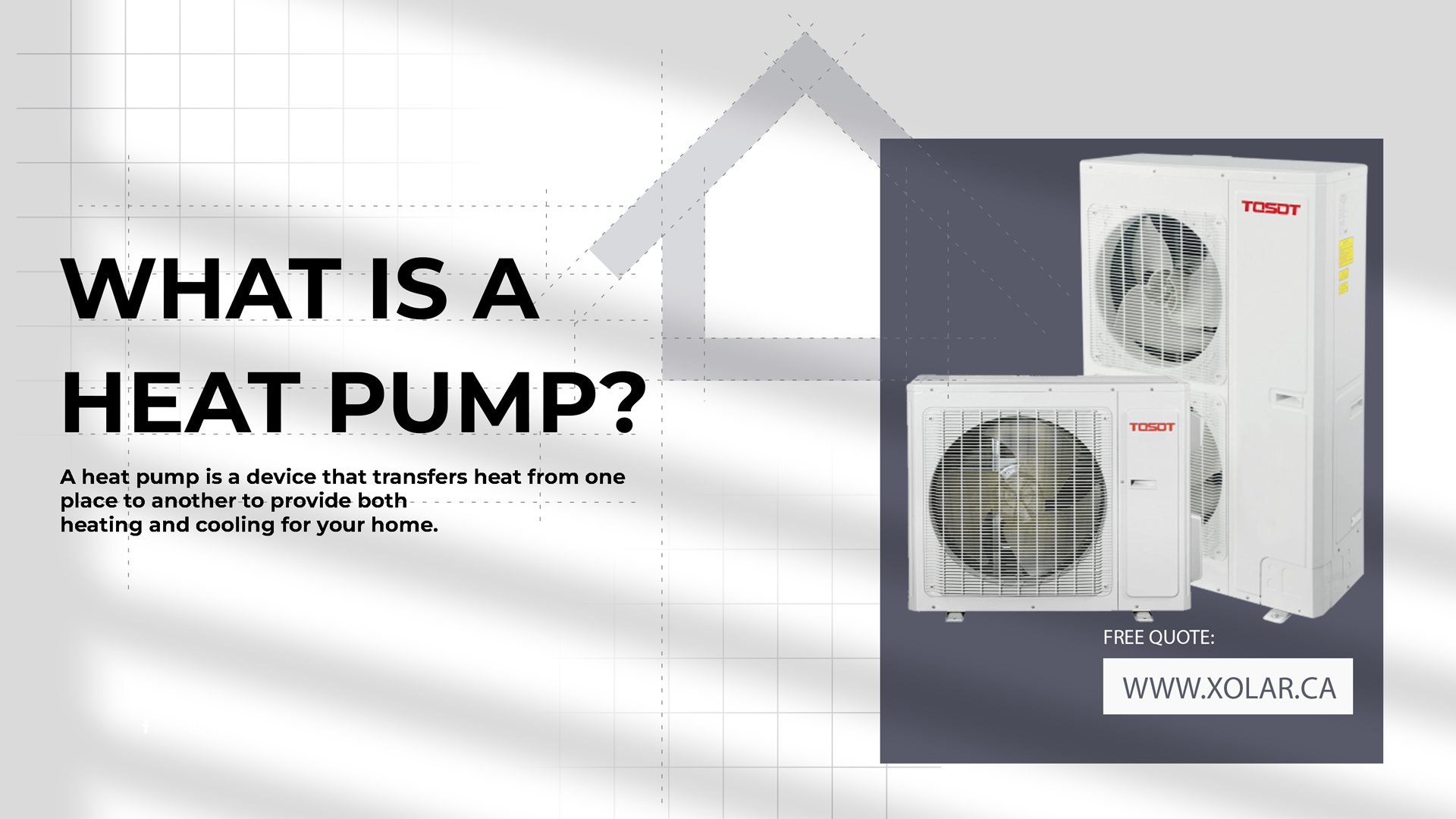
A heat pump is a device that transfers heat from one place to another to provide both heating and cooling for your home. Unlike traditional heating systems that generate heat by burning fuel or using electricity, heat pumps move heat from one area to another, by using a reversed version of the same vapor-compression process of an air conditioner.
Heat pumps can provide home cooling as well by extracting heat from the inside of your home and releasing it outside. This makes heat pumps a versatile and low cost, year-round solution for maintaining a comfortable indoor environment.
Types of Heat Pumps:
- Air-Source Heat Pump: The most common type, an air-source heat pump, transfers heat between your home and the outside air. It works efficiently in both heating and cooling modes, even in moderate cold climates. Air-source heat pumps are small, easy to install, and the most affordable form of heat pump.
- Ground-Source (Geothermal) Heat Pump: A ground-source heat pump transfers heat between your home and the ground. While the unit is much more expensive and has additional costs trenching, it’s incredibly efficient and effective in maintaining consistent temperatures throughout the year.
- Water-Source Heat Pump: This type of heat pump uses a nearby water source, such as a pond or lake, to transfer heat. It’s less common for residential use but offers high efficiency where applicable.
How Does a Heat Pump Work?
A heat pump works by moving heat rather than generating it. It operates similarly to a
refrigerator or air conditioner but in reverse for heating. Here’s how it functions:
Heating Mode:
- Absorption of Heat: Even in cold weather, there is still heat in the air. The heat pump absorbs this heat from the outside air, ground, or water source.
- Compression: The absorbed heat is then compressed, increasing its temperature and making it suitable for heating your home.
- Distribution: Once compressed, the heat is transferred inside your home and distributed through your heating system, such as ductwork or radiators.
Cooling Mode:
In cooling mode, the process is reversed. The heat pump absorbs heat from inside your home and releases it outside, effectively lowering the indoor temperature.
Why Choose a Heat Pump?
All heat pumps are efficient and can save you money on the long term. For the vast majority of residential properties, air source heat pumps are the most suitable because of their affordability and size. Water source heat pumps require a body of water and ground source heat pumps are expensive and require trenching.
One of the biggest advantages of heat pumps is their energy efficiency. Since they move heat rather than generate it, they use significantly less energy than traditional furnaces or air conditioners which saves you money on your power bills. In fact, heat pumps can deliver up to three times more energy than they consume.
Unlike most heating systems, which only provide warmth, a heat pump is also more efficient in that it offers both heating and cooling, making it a versatile solution for year- round comfort.
Heat pumps improve indoor air quality if you currently use combustion-based heating systems. Heat pumps don’t burn fuel, which reduces the risk of carbon monoxide emissions and other harmful pollutants inside your home.
Heat Pumps and Solar Energy
Heat pumps pair exceptionally well with solar energy systems. By powering your heat pump with electricity generated by solar panels, you can further reduce your home’s reliance on the grid and lower your energy bills. This combination of solar energy and heat pump technology creates an eco-friendly, sustainable solution for maintaining your home’s comfort throughout the year while lowering your carbon footprint.
Get a state-of-the-art Setup with XOLAR
By using renewable sources of heat from the air, ground, or water, heat pumps reduce reliance on fossil fuels. This makes them an environmentally friendly option, helping to lower your home’s carbon footprint while also saving you money on your power bills.
Interested in getting a heat pump with your home solar install?
The first step is to acquire a solar proposal. By understanding your energy consumption, sunlight exposure, and roof orientation and space, we can design a solar solution that meets your needs both now and in the future. A well-sized solar system can help you achieve your energy goals and reduce your carbon footprint.
Our Solar Specialists and Project Managers can cleanly walk you through the steps of what is required and make sure you maximize the value of the provincial or federal programs in your area. We’ll also get you started on the vital first step of acquiring a tailor-made solar proposal for your residential project’s energy needs.
Schedule a consultation for our solar specialist’s expert guidance here.
XOLAR INC.
Xolar is a full service turn-key platform for transitioning both residential and commercial clients, book a free quote today!
Recent Posts
Follow Us
Monthly Testimonial
Facebook
Youtube
Instagram
Linkedin
On Key