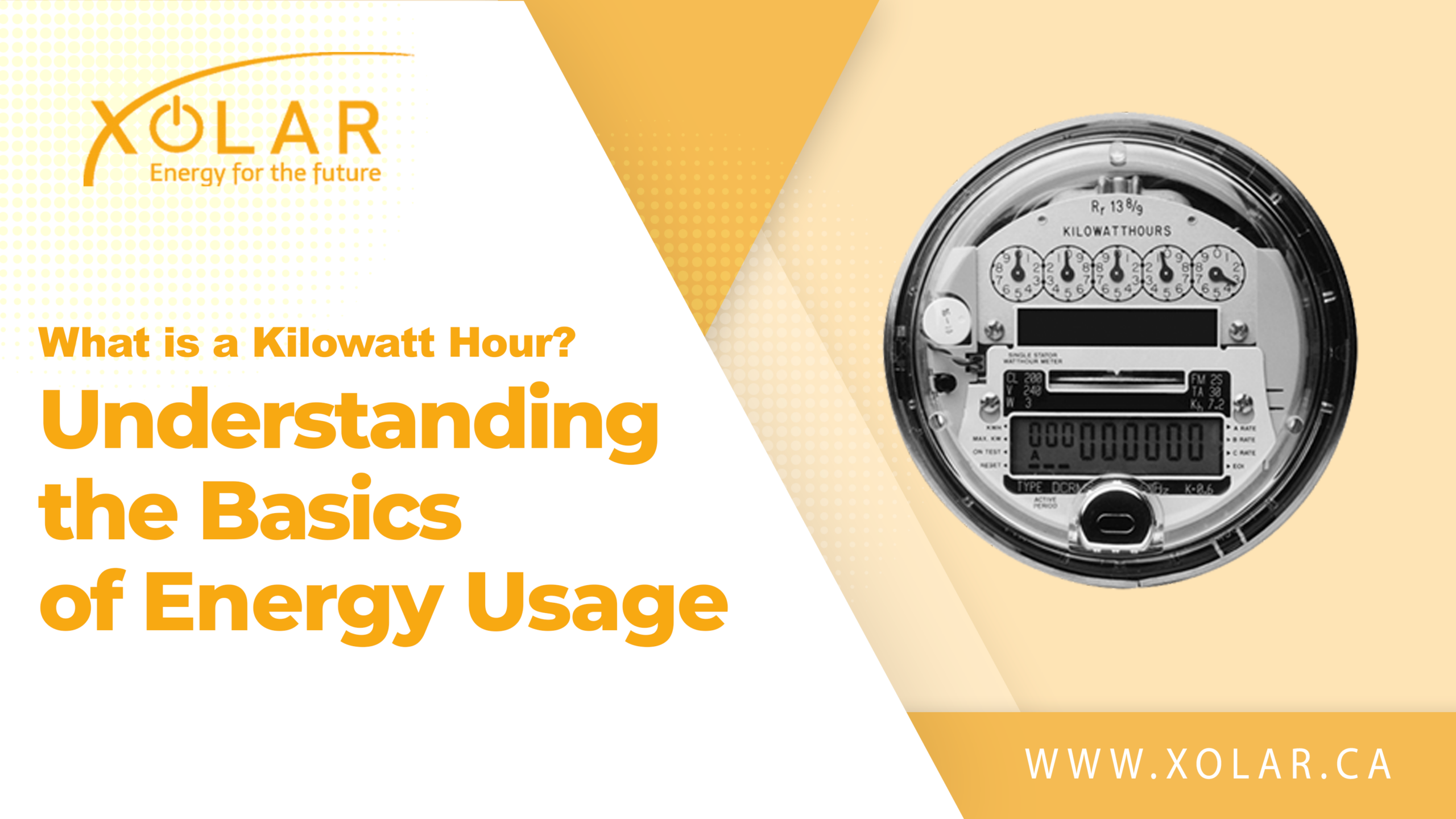
What is a Kilowatt Hour? Understanding the Basics of Energy Usage
By Chris Ogilvie
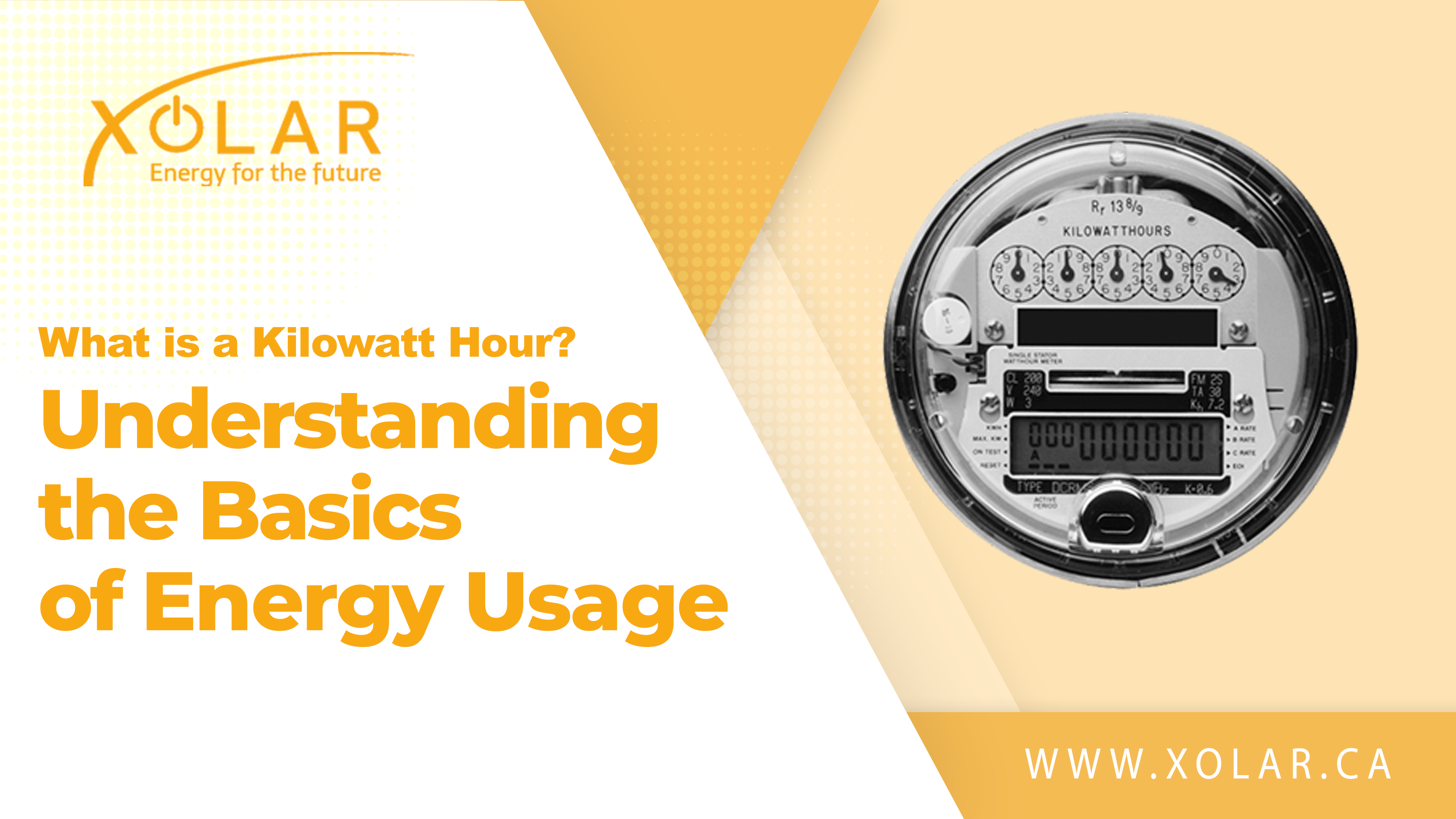
Defining a Kilowatt Hour
If you look at your electricity bill, you will notice the term “kilowatt hour” or “kWh” listed as a measure of your energy usage. Understanding exactly how much 1 kWh is can help you manage your energy usage better and also gain an understanding of how to leverage a home solar system to completely offset your power bill.
A kilowatt hour (kWh) is a unit of energy that measures the amount of electricity you use over time. It’s not a measure of power at a single moment (which would be a kilowatt), but rather the amount of energy consumed when a device uses one kilowatt of power for one hour.
To put it simply, a kilowatt hour is the amount of energy required to run a 1,000-watt appliance for one hour. For example, if you run a 100-watt light bulb for 10 hours, you’ll have used 1 kilowatt hour of electricity (100 watts × 10 hours = 1,000 watt-hours, or 1 kWh).
How to Calculate Kilowatt Hours To calculate how many kilowatt hours an appliance uses, you can follow these simple steps:
- Find the Wattage: Look for the wattage on the appliance label. Most devices will list how many watts they use.
- Determine the Time Used: Figure out how long the appliance runs in hours.
- Calculate Kilowatt Hours: Multiply the wattage by the number of hours the appliance runs. Then, divide by 1,000 to convert watts to kilowatts.
Examples of Kilowatt Hour Usage:
• 1 kWh: Running a 1,000-watt space heater for one hour.
• 2 kWh: Using a 500-watt refrigerator for four hours.
• 0.5 kWh: Running a 100-watt TV for five hours.
Why Kilowatt Hours Matter
Tracking how many kilowatt hours your home appliances and devices use can help you identify ways to reduce energy consumption. By cutting back on high-energy devices or using them more efficiently, you can lower your electricity costs.
Utilities charge for electricity based on the number of kilowatt hours you use. The more kWh you consume, the higher your bill will be. Most utilities use a Time-of-Use billing plan, which means that your charges per kWh used will vary at different points in the day based on grid demand. Understanding when you can run some devices at lower billing rates will help you lower your bills.
Kilowatt Hours and Solar Energy
Solar Panels generate electricity in terms of kWh, so the more energy your household uses the more solar panels you may need to cover 100% of your power bill. As a solar installer, we use your historical kWh consumption right off your power bill to help size your system. The goal is to get you the most cost-effective solar system that can cover 100% of your power bills over a 365 day period – also known as achieving “Net-Zero”.
It’s important to note that when you go solar, you will be tied to the grid via a Net Metering agreement with your power company. Any excess energy you generate is sold back to the grid and you are given credits by your power company that cover the costs of pulling power from the grid when your solar panels aren’t generating electricity – like at night.
Your solar panels are producing energy at the high peak Time-of-Use rates during the day, meaning that excess energy you sell back to the power company is being sold back at higher rates. When you use energy later on in the day, you will be buying that back at lower Time-of-Use rates. You’re selling your excess energy high and buying it back at lower rates when you need it – understanding this will allow you to get the most of your home solar system.
Own your energy by choosing XOLAR
Most homeowners can cover 90-100% of their energy with solar. Having an understanding of how much energy your appliances use in kWh, how your power company charges you for that energy, and how big your solar panel system is can ensure that you are able to eliminate a significant portion of your electricity costs. With solar, you also get a number of monitoring technology to make monitoring your usage seamless.
Interested in learning more about going solar?
The first step is to acquire a solar proposal. By understanding your energy consumption, sunlight exposure, and roof orientation and space, we can design a solar solution that meets your needs both now and in the future. A well-sized solar system can help you achieve your energy goals and reduce your carbon footprint.
Our Solar Specialists and Project Managers can cleanly walk you through the steps of what is required and make sure you maximize the value of any provincial or federal programs in your area. We’ll also get you started on the vital first step of acquiring a tailor-made solar proposal for your residential project’s energy needs.
Schedule a consultation for our solar specialist’s expert guidance here.
XOLAR INC.
Xolar is a full service turn-key platform for transitioning both residential and commercial clients, book a free quote today!
Recent Posts
Follow Us
Monthly Testimonial
Facebook
Youtube
Instagram
Linkedin
On Key