What is an Electric Panel? Your Home’s Electrical System
By Chris Ogilvie
What is an Electric Panel?
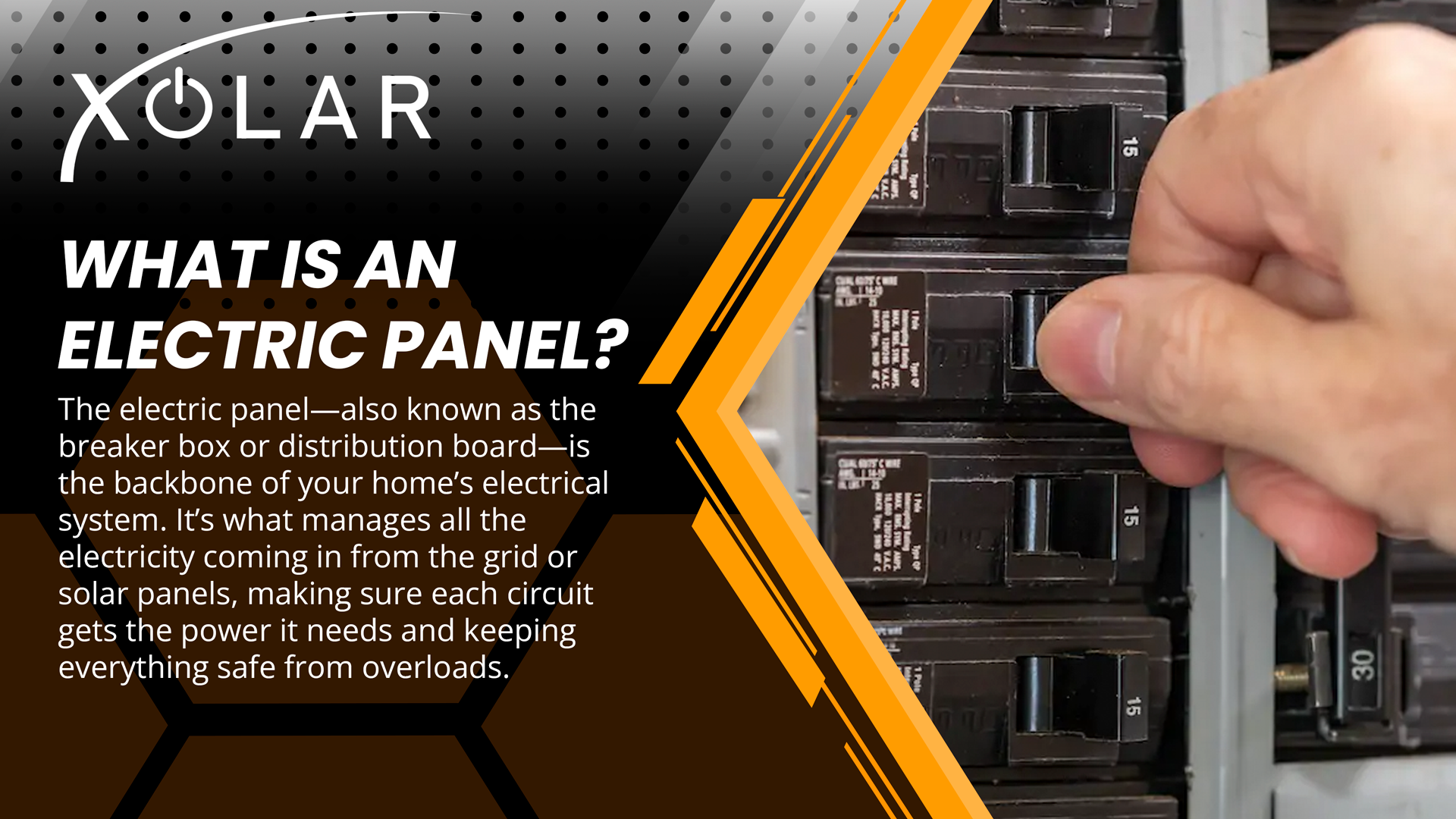
The electric panel—also known as the breaker box or distribution board—is the backbone of your home’s electrical system. It’s what manages all the electricity coming in from the grid or solar panels, making sure each circuit gets the power it needs and keeping everything safe from overloads.
The electrical panel, often tucked away in a garage, basement, utility room, or even outside, draws in electricity from your utility company or solar setup. From there, it channels power to circuits that keep your home running—whether it’s the lights, kitchen appliances, or your heating and cooling system.
Key Components of an Electric Panel:
- Main Breaker: The master switch of your home’s electricity, controlling the entire power flow. It can shut everything down during maintenance or an emergency.
- Circuit Breakers: These safety switches cut power to a circuit if it’s drawing too much. They prevent overheating, reduce fire risks, and keep your appliances safe.
- Bus Bars: Metal strips that connect the main breaker to each circuit, creating the pathway for electricity to flow from the grid to every room.
- Grounding: The safety net of your system, providing a safe path for excess electricity—like from lightning or surges—to discharge harmlessly into the ground.
How Does an Electric Panel Work?
Electricity enters your home through the electric panel, which then distributes it through individual circuits. Each circuit powers a specific area of your home or certain appliances. If the current flowing through a circuit exceeds its capacity, the circuit breaker trips, cutting off power to that circuit to prevent overheating or damage. In this way, the electric panel not only distributes power but also provides a layer of protection by regulating and controlling the electricity flowing through your home.
How does the Electrical Panel work with your Solar Setup?
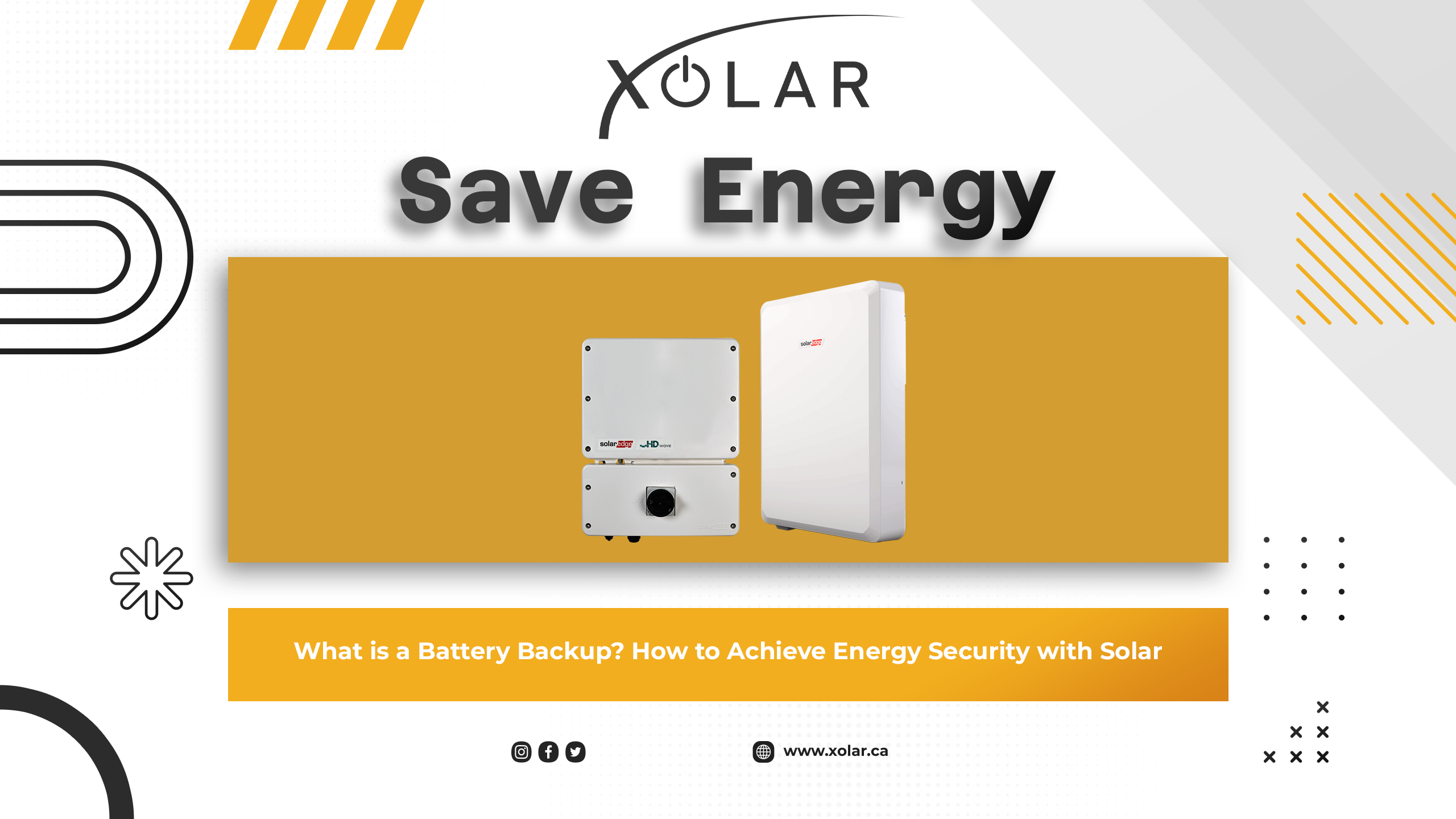
In a solar energy system, your electric panel is key to integrating solar power into your home’s setup. Your solar inverter will be installed right beside the electrical panel and the home solar system is routed to the panel through the inverter. The electrical panel directs solar energy from the inverter to balance energy from both your panels and the grid.
When your solar panels produce power, it starts as direct current (DC) electricity. The solar inverter then converts it to alternating current (AC)—the form your home and grid use. From there, your electric panel takes over, distributing this AC power to your devices and appliances. If there’s extra, it’s sent back to the grid, earning you credits through net metering.
The electric panel manages this flow of electricity between solar and grid power. During peak sunlight, your panels might produce more than you need. With a grid-tied system, that surplus flows back to the grid for potential credits. If you have a battery backup, that excess is stored for later, like at night or on cloudy days.
Not every electric panel can handle the extra load from solar, especially older ones. For some homes, a panel upgrade might be needed to safely handle the boost in power and meet today’s safety standards. Upgrading ensures your system runs smoothly, making the most of your solar setup.
How Do You Know if You Need an Electric Panel Upgrade?
If your electric panel is older or low on capacity, it might need an upgrade before you add solar panels. Here’s what to look out for. If circuit breakers keep tripping, your panel could be overloaded. Constant trips are a clear sign it’s struggling to handle the power demand. Old panels—those over 25-30 years—weren’t built for today’s energy needs, let alone the extra load from solar. Swapping out an outdated panel can make a big difference. Most homes today need a 200-amp panel to manage both solar and modern appliances. If yours is rated below that, an upgrade might be the best move. Upgrading ensures your solar system works seamlessly, keeping your home safe and up to code.
Get a State-of-the-Art Setup with XOLAR
Your electric panel is the heart of your home’s electrical system, safely distributing power to every circuit. In a solar setup, it’s even more essential, managing and channeling the electricity your solar panels produce. If you’re considering going solar, make sure your panel is up-to-date and ready to handle the extra power to keep everything running smoothly.
Interested in going solar?
The first step is to acquire a solar proposal. By understanding your energy consumption, sunlight exposure, and roof orientation and space, we can design a solar solution that meets your needs both now and in the future. A well-sized solar system can help you achieve your energy goals and reduce your carbon footprint.
Our Solar Specialists and Project Managers can cleanly walk you through the steps of what is required and make sure you maximize the value of any provincial or federal programs in your area. We’ll also get you started on the vital first step of acquiring a tailor-made solar proposal for your residential project’s energy needs.
Schedule a consultation for our solar specialist’s expert guidance here.
XOLAR INC.
Xolar is a full service turn-key platform for transitioning both residential and commercial clients, book a free quote today!
Recent Posts
Follow Us
Monthly Testimonial
Facebook
Youtube
Instagram
Linkedin
On Key