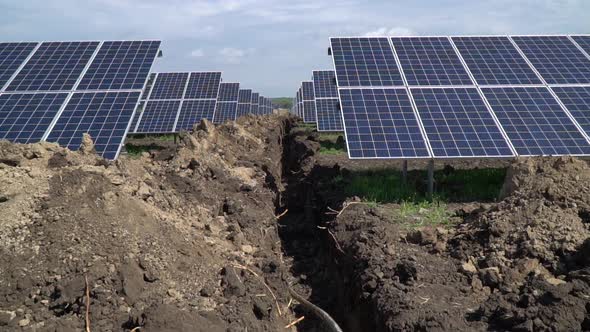
What is Trenching? Is Trenching Required for Solar?
By Chris Ogilvie
What is Trenching?
Trenching refers to the process of digging narrow, long ditches or trenches in the ground to install electrical wiring or conduit. In the context of solar energy installations, trenching is used to run underground cables that connect your solar panels to your home’s electrical system or the utility grid.
When Do You Need Trenching with Solar?
The vast majority of solar installs are done on the property’s roof, meaning trenching is not often required to route the wiring to your electrical panels. For roof mounted systems, trenching is only required if there are panels on a separate building away from your electrical panel.
Not every solar setup requires trenching. It depends on your system and its distance from your electrical panel. Most rooftop systems don’t need it, but there are a few cases where trenching comes into play:
Ground-Mounted Systems
For ground-mounted solar panels, trenching is usually a must. Since the panels are ground mounted away from your home in a yard or field, underground wiring is needed to link them to your main electrical panel. The further the panels, the more trenching required.
Off-Grid or Hybrid Systems
Off-grid or hybrid setups, where energy is stored in batteries or used independently of the grid, might need trenching to connect additional equipment like inverters or batteries, especially if they’re located away from the main system. If solar battery storage is located next to your system, then no trenching would be required.
Why Trenching Matters for Solar
Trenching is important for safely connecting ground-mounted solar systems to your home’s electrical panel. It protects the wiring from the elements and prevents damage or interference. Plus, burying cables keeps your property looking clean and uncluttered, especially important for those with ground-mounted systems. On top of that, it improves safety by reducing the risk of exposed or damaged wiring.
The Trenching Process
If your system install ends up requiring trenching, it is something you would have to do yourself or contract someone to perform the trench. Here’s the process you can expect if your system requires trenching:
- Planning the Trench: The contractor will assess the best path for the trench, considering factors such as the distance to your electrical panel, any obstacles (like trees or landscaping), and property lines.
- Digging the Trench: Once the path is determined, the trench is dug using specialized trenching equipment. The trench needs to be deep enough to meet local safety codes, to protect the cables from damage.
- Laying the Conduit: After the trench is dug, the electrical conduit, usually PVC piping, is laid inside. The cables that connect your solar panels to your home’s electrical system are fed through the conduit, providing protection from the elements and preventing any physical damage to the wires.
- Backfilling: Once the conduit and cables are in place, the trench is backfilled with the excavated soil, leaving no visible signs of the trench aside from a small seam in the yard.
- Finishing Touches: Any landscaping disrupted during the trenching process can be restored, leaving your property looking as it did before installation.
Cost of Trenching
The cost of trenching can vary depending on several factors, including the length of the trench, the type of soil on your property, and any obstacles that need to be navigated. In general, trenching adds to the overall cost of a solar installation, but it is a necessary expense for ensuring the safe and efficient operation of your solar energy system.
Factors Influencing Trenching Costs:
One major factor is distance. The further your solar array is from your home, the longer the trench needs to be, which can drive up costs.Soil type plays a role too. Hard or rocky soil can make trenching more difficult and time-consuming, leading to higher labor expenses.
Obstacles like trees, pathways, or underground utilities can also increase costs. These challenges require extra planning and effort to navigate, adding to the overall price of the trenching process.
Get a state-of-the-art Setup with XOLAR
Trenching may or may not be a required procedure for your home solar installation. Speaking with a solar professional is the best way to determine whether or trenching would be required for your home solar setup.
Interested in going solar?
The first step is to acquire a solar proposal. By understanding your energy consumption, sunlight exposure, and roof orientation and space, we can design a solar solution that meets your needs both now and in the future. A well-sized solar system can help you achieve your energy goals and reduce your carbon footprint.
Our Solar Specialists and Project Managers can cleanly walk you through the steps of what is required and make sure you maximize the value of the provincial or federal programs in your area. We’ll also get you started on the vital first step of acquiring a tailor-made solar proposal for your residential project’s energy needs.
Schedule a consultation for our solar specialist’s expert guidance here.
XOLAR INC.
Xolar is a full service turn-key platform for transitioning both residential and commercial clients, book a free quote today!
Recent Posts
Follow Us
Monthly Testimonial
Facebook
Youtube
Instagram
Linkedin
On Key